

Every winter, the greater Boston area typically experiences frigid weather. Depending on the year, that weather may bring snow, hail, sleet, and other punishing conditions. All of them place your home’s roof under extreme stress. For that reason, it’s important to conduct a post-winter roof inspection every year. Missing obvious winter damage can lead to roof leaks in spring. Here’s how you can conduct the necessary post-winter roof inspection and what to look for. We’ll also let you know which signs of trouble call for professional attention.
Start With a Safe Ground-Level Visual Inspection
First things first: Never try to climb up onto your home’s roof to inspect it. You should conduct your post-winter roof inspection from the ground. You can start by walking around your home’s perimeter and looking for obvious roofline deformations. If you spot any sagging roof sections, it’s a sign of water penetration. You should also look for missing, curling, or lifted shingles. Those can also create opportunities for water to seep through your roof.
Check Gutters, Downspouts, and Drainage After Snow and Ice
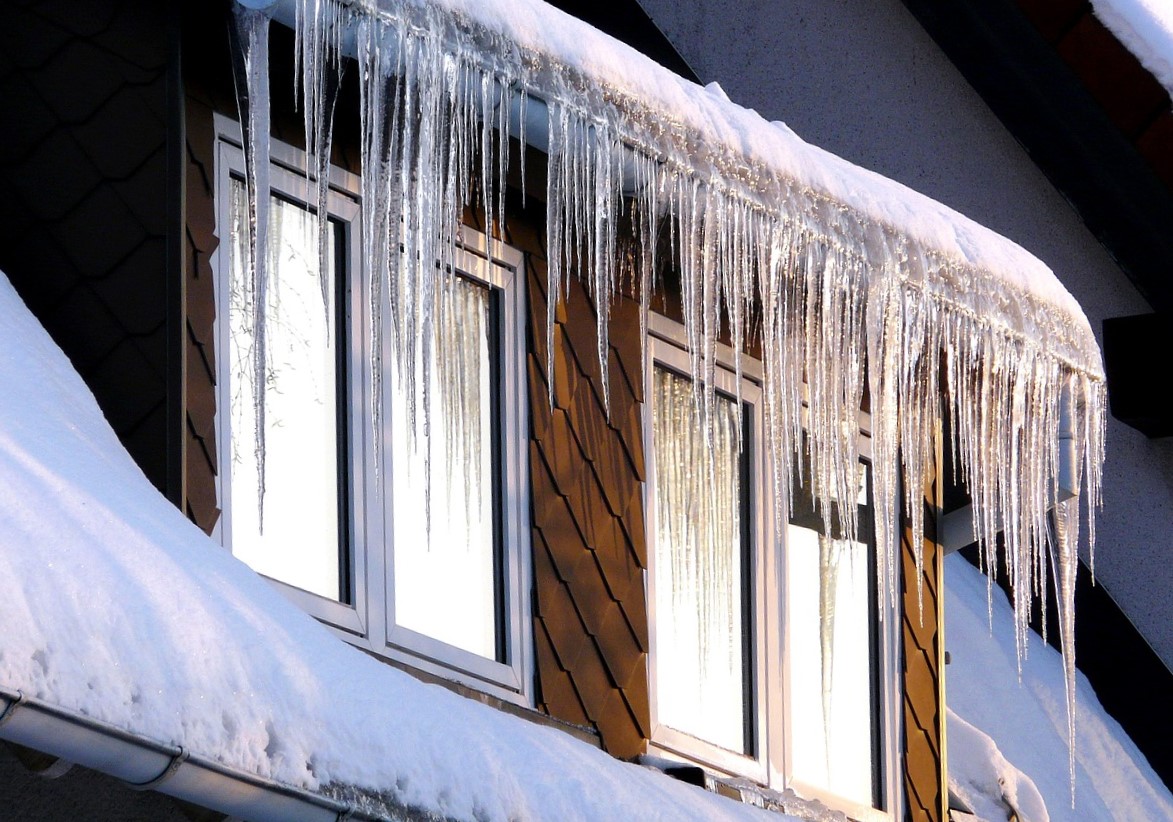
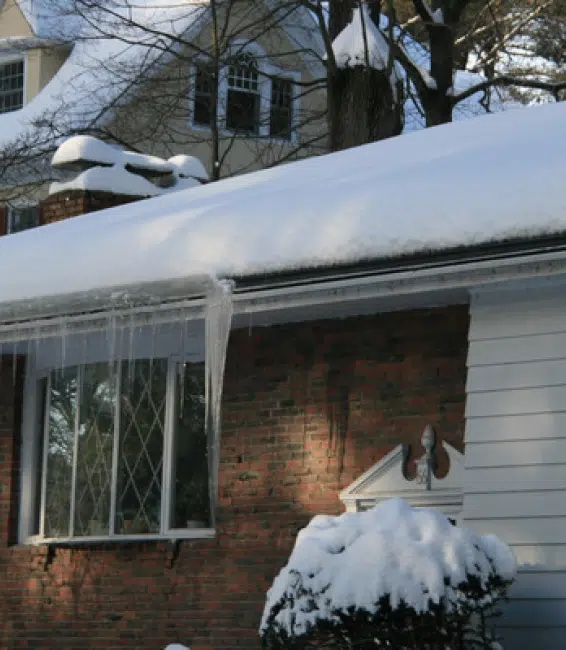
Next, try to check your home’s gutters and downspouts for obvious damage. Be especially alert for gutters that are pulling away from your home or showing bent sections. Both may indicate a blockage that allowed ice to form in your gutters. Once your gutters sustain that kind of damage, they will no longer properly carry water away from your roof. In that case, you may also notice telltale staining on your roof that resulted from ice dam formation. You should also look for and remove any debris that blocks your downspouts. And while you’re there, ensure your downspouts still direct water away from your home’s foundation.
Inspect Flashing and Roof Penetrations for Winter Damage
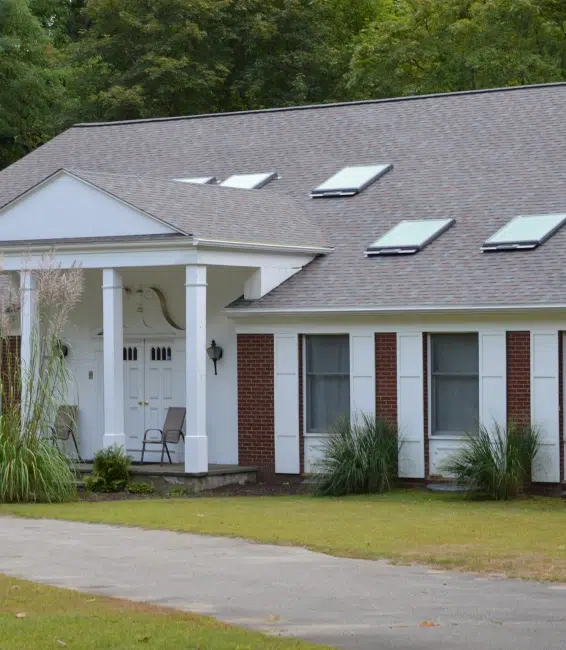
After checking your gutters, try to examine your roof’s flashing for signs of damage. Flashing should remain flat against surfaces, with crisp bends to match your roof’s surface. If you see any bulging or unusually bent flashing, make note of it. Pay extra attention to the flashing around roof penetrations. Places like chimneys, roof vents, and skylights are prime locations for leaks. The flashing surrounding them is your primary protection against those. Where possible, try to look for signs of cracked sealant or unusual gaps near your roof’s flashing.
Look for Interior Warning Signs of Roof Leaks
After you’ve examined the outside of your home for signs of roof damage, the inside is next on your list. First, check the inside of your attic if it’s accessible. Look for signs of leaks, such as water stains, musty odors, and damp insulation. You should also look for signs of visible light passing through your roof. If your attic isn’t accessible, look at the finished walls and ceilings of your home’s top floor. If you notice water stains, peeling paint, or bubbling drywall, your roof may have a leak.
Watch for Ice Dam Aftereffects
It’s also a good idea to look for the aftereffects of ice dams on your roof. That indicates a ventilation or insulation problem in your attic that may damage your roof. You may see signs of ice damage on your home’s eaves or damaged shingles along your roof’s edges. If you see either, the next step is to investigate your home’s attic.
Examine Attic Ventilation and Insulation Conditions
Ice dams happen when hot air from inside your home escapes into your attic. Then it rises to the peak of your roof, melting the snow or ice built up on the outside. The meltwater travels down your roof until it encounters a colder section, where it refreezes. There are a few things your attic needs to prevent that from happening. First, it needs air sealing to prevent heat from escaping your home. It also needs adequate insulation to prevent heat from radiating into your attic. And finally, it needs adequate ventilation to remove moisture and maintain even temperatures.
If possible, ensure that your attic’s vents have no obstructions, so they can let outdoor air circulate through your attic. And, look for any signs of frost or condensation, which indicate poor ventilation and temperature issues. If you spot problems, it’s a good idea to have them fixed immediately.
When to Call a Roofing Professional in Greater Boston
If you see any visible damage to your roof during your inspection, you need a roofer’s help to fix it. You should call us if you see missing shingles, damaged flashing, or active leaks. The same goes for signs of mold, rot, or moisture intrusion. Additionally, signs of structural damage, such as sagging, constitute an emergency and require immediate professional attention. As the leader in Greater Boston roof inspection, we’ll determine the extent of your problem and fix it. That way, your roof can withstand the rainy season that often arrives in spring.
Catch Winter Roof Damage Early Before Spring Rains Make It Worse
Inspecting your roof after each winter can let you schedule repairs before any problems worsen. That will extend your roof’s lifespan and prevent costly structural and water damage to your home. O’LYN Roofing has over 50 years of experience keeping local roofs in top condition. So, if the roof on your home in the Greater Boston area shows signs of trouble, contact O’LYN Roofing today!