

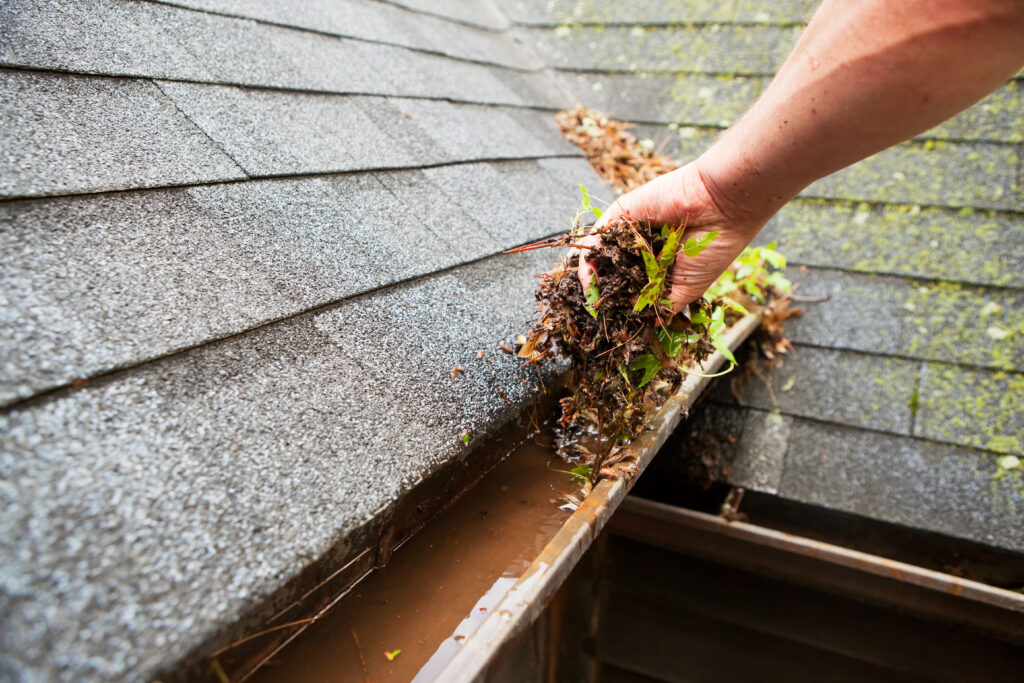
Rainwater should slide off your roof, smoothly accumulate in your gutters, and flow through your downspouts and away from your home. Nevertheless, overflow may prevent this from happening. Your gutters might overflow because various kinds of debris have clogged them or because the components of the gutter system themselves have sustained some kind of damage. You could also encounter trouble if your gutters were installed improperly or if they’re simply too small to handle the amount of water that’s sliding off of your roof.
If too much water accumulates around your home’s roof, siding, and foundation, the building may end up facing significant structural problems. O’LYN Roofing can identify these issues, address them, and ultimately save you a substantial amount of money on repair costs.
1. Your Gutters Are Clogged
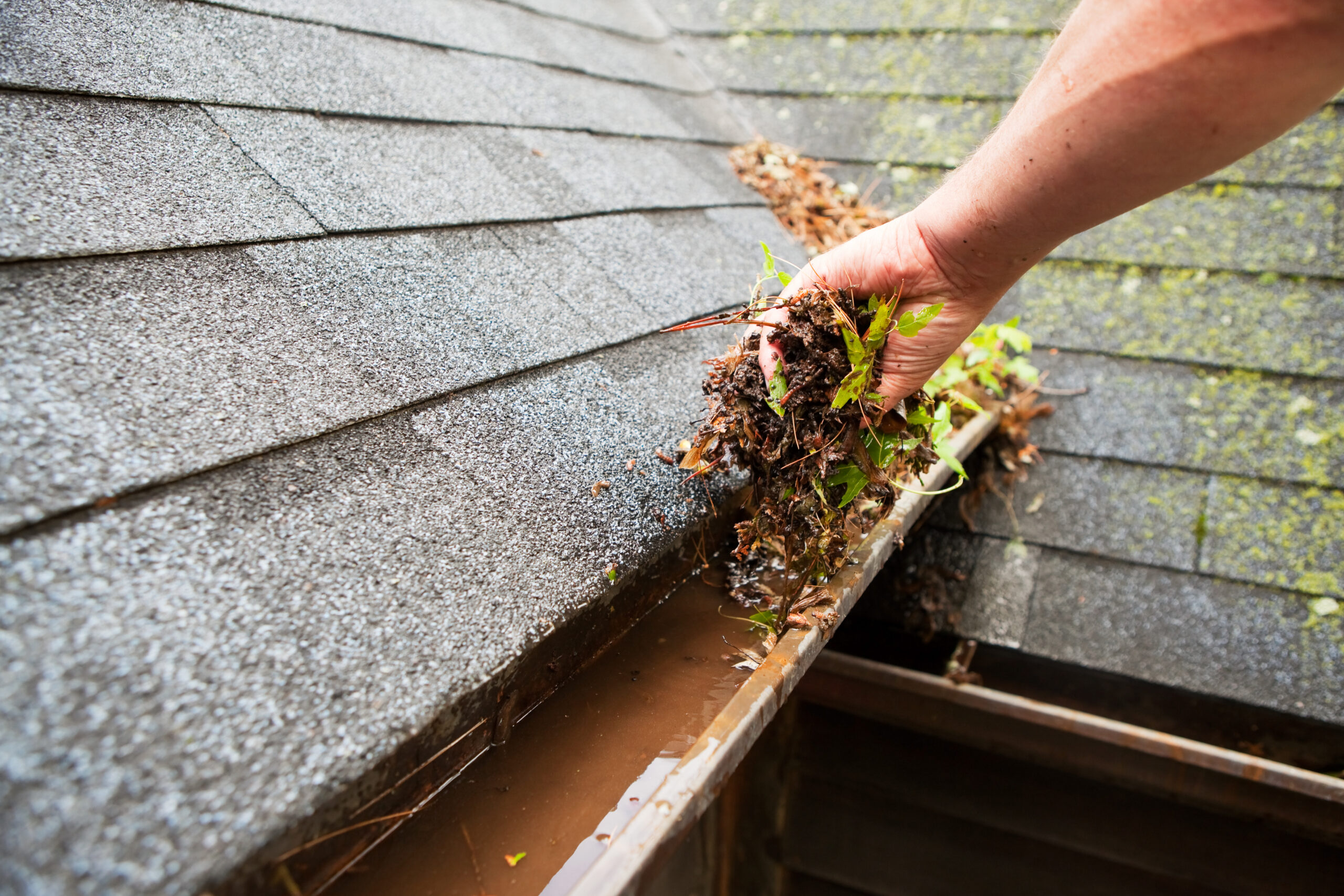
Leaves, twigs, pebbles, and other kinds of roofing debris may seem simple and insignificant, but they can threaten the proper functioning of your gutters, especially if you allow them to accumulate. Even chips from your roof’s shingles can pose a danger here. Once such things clog up your gutters, water can accumulate on your roof and eventually spill over the edges of your gutters without even reaching your downspouts.
2. Your Downspouts Are Blocked
Even if there doesn’t seem to be any visible debris on your home’s roof or around your gutters, it may still cause you trouble in less obvious ways. For instance, if leaves or twigs happen to get into your downspouts, then things may appear outwardly normal with your gutters. Nevertheless, water will not drain out of them properly. During especially heavy rains, this can lead to gutter overflow.
3. Your Gutters Are Sagging or Pulling Away
Loose fasteners, damaged fascia, and other structural issues with your roof can cause your gutters to sag. When wood rot weakens your fascia boards or rafter ends, the likelihood of sagging increases dramatically. Water or debris buildup may also end up misaligning your gutters. Since your gutters must be in their proper positions for water to flow smoothly into your downspouts, these issues can lead to pooling and spillover.
4. Your Gutters Are Not Sloped Correctly
To ensure that water can move seamlessly from your gutters to your downspouts, the former must slope at least slightly towards the latter. This creates a gradient along which water can flow. Consequently, without this sloping, water might flow in the wrong direction or accumulate in inappropriate spots, which will make overflow all the more likely.
5. Your Gutters Are Too Small for Your Roof
New England rainstorms are notoriously intense, so you must ensure that your gutters can handle the amount of water that will need to pass through them. Otherwise, water will overwhelm them, no matter how excellent their design and placement are. Luckily, O’LYN Roofing installs gutter systems that can handle the rigors of the weather in the Greater Boston and MetroWest areas.
6. Your Gutters Are Damaged or Aging
Since your gutters will sustain damage over time, you must beware of cracks, separated seams, loose sections, and other types of physical deterioration. These things, both separately and in concert, can pose significant difficulties for proper drainage. A suite of major repairs or a totally new gutter installation may be the only ways to deal with especially old gutter systems.
7. Heavy Rain Is Overwhelming the System
Even if there is no debris interfering with your gutters, heavy downpours can still cause trouble. If your gutter system is too small or has too few downspouts to handle the strain of a serious New England rainstorm, the aforementioned trouble will still afflict you. If you’ve experienced repeated overflows during storms, we strongly advise you to ask professionals to examine your gutter system.
Why Overflowing Gutters Should Not Be Ignored
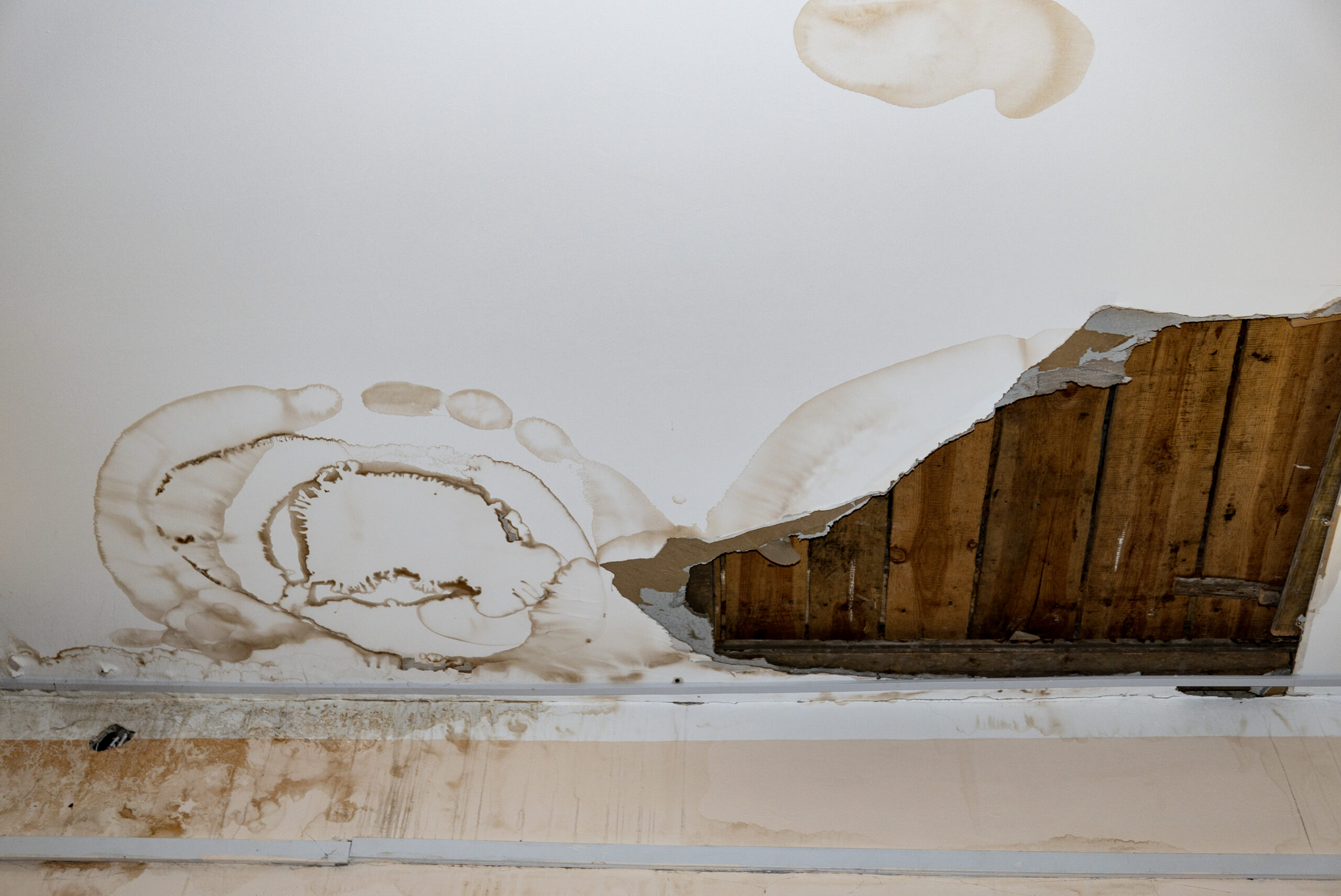
If your gutters have been repeatedly overflowing, we strongly urge you to take immediate action. Because continuous exposure to overflowing water can cause things like erosion and mold buildup, it may catastrophically damage your roof, fascia, siding, and even the very foundation of your home. Fortunately, the professionals at O’LYN Roofing can detect clogged and overflowing gutters and identify roof leaks.
When Should You Call a Gutter Professional?
Keep a close eye on your roof in all seasons. If you notice things like damaged fascia, sagging, leaks, or persistent overflow, you should not hesitate to contact a team of roofing professionals. Such issues demand a professional-grade roofing inspection, the results of which will then determine your next appropriate course of action.
Using their expertise, roofers can let you know whether your gutters require cleaning, repairs, additional downspouts, or an out-and-out reinstallation. O’LYN Roofing happily offers gutter installation, maintenance, and repair services to those living anywhere in the Greater Boston and MetroWest areas.
Keep Rainwater Moving Away From Your Home
Potentially calamitous roofing issues may start out as quite simple problems. A clog, an improper gutter installation, or accumulated wear and tear can easily cause overflow and other kinds of gutter problems, which can eventually balloon and spread to your entire roof. Therefore, it’s essential to stop gutter overflow as quickly and decisively as possible. If you live anywhere around Greater Boston or MetroWest, call O’LYN Roofing today for professional gutter inspections, repairs, and installation services.